
My husband let me buy and download games using his Steam account and I have, over the past few days, spent waaaaay too many hours playing Suzerain, Kulo Niku Bowl Up!, and Tiny Bookshop. Save me from myself. But I'm pretty good at running the tiny bookstore, if I do say so myself.
(1)
We can't seem to turn anywhere without seeing something about AI these days, so here's another story. A friend sent this story from the Financial Times (paywalled) about how AI is now being used to comb through loads and loads of surveillance data—like video footage and content scraped from social media—to pinpoint what the searcher wants to identify. The FT's story points to how some states have used this technology, while also scrambling to secure their surveillance networks from being hacked and hijacked. The article's paywalled, but I thought this excerpt would be of interest (emphasis mine):
The visual capabilities of AI technology became far more powerful around 2023 and took a further leap about a year ago, said several people familiar with the complex maths behind it. It is orders of magnitude more sophisticated than the so-called machine learning algorithms that enable facial recognition, gun detection or the tracking of vehicles by make or number plate.
In contrast with older tools restricted to a few dozen preset searches, these new tools allow an almost unlimited range of enquiries by enabling language-based searches on video.
That lets intelligence officers hunt through massive streams of videos using simple search terms, such as two men handing a bag to each other; a person who has changed their appearance, or has changed clothes multiple times in a day; or a vehicle that has recently been painted over, or has driven past the same spot several times in a short period.
“This is the holy grail of surveillance,” said a European official whose country uses the technology on its cities. “We are able to look for behaviour, not objects — it has created a world of new possibilities.”
Interviews with nearly a dozen people, including former and current intelligence officers and senior security officials in four countries, revealed alarm at this new capability. It de facto transforms the billions of dollars spent on CCTV systems — especially traffic cams — into a keyhole through which their adversaries can scan vast cities and secure facilities to extract patterns and secrets at an industrial scale.
Once an individual subject is identified, these systems can rapidly build dossiers of their activities spanning months. That helps to recreate not just their own patterns of life but those of the people they interact with.
Such systems can pull in information not just from CCTV, but also from social media, hacked communications, audio picked up by microphones in smart devices and travel histories.
“To put it in simple words, this is the first time in history that we can communicate using language with computers about what they see,” said Matan Goldner, chief executive of a 15-person Tel Aviv-based start-up called Conntour, whose clients include Israeli intelligence and Singapore’s home affairs ministry.
“The capability of simply watching enemies’ sources is not unique or new — but to be able to get the exact moment that you’re looking for in time over thousands of hours, over thousands of feeds, that’s something really, really new in our world,” he said.
One of the critiques of having a super extensive network of surveillance cameras used to be that it's just too much data—once collected, how would you comb through it all to find what you want? How many people, how many man-hours, would you need to watch all that footage? Even with video analytics and facial recognition, there was a limit to the parameters that could be used to sift through all the footage.
What companies like Conntour sells is tech that makes that much easier. Clients can search through video footage with natural language queries, enabling "a single human to monitor thousands of cameras".
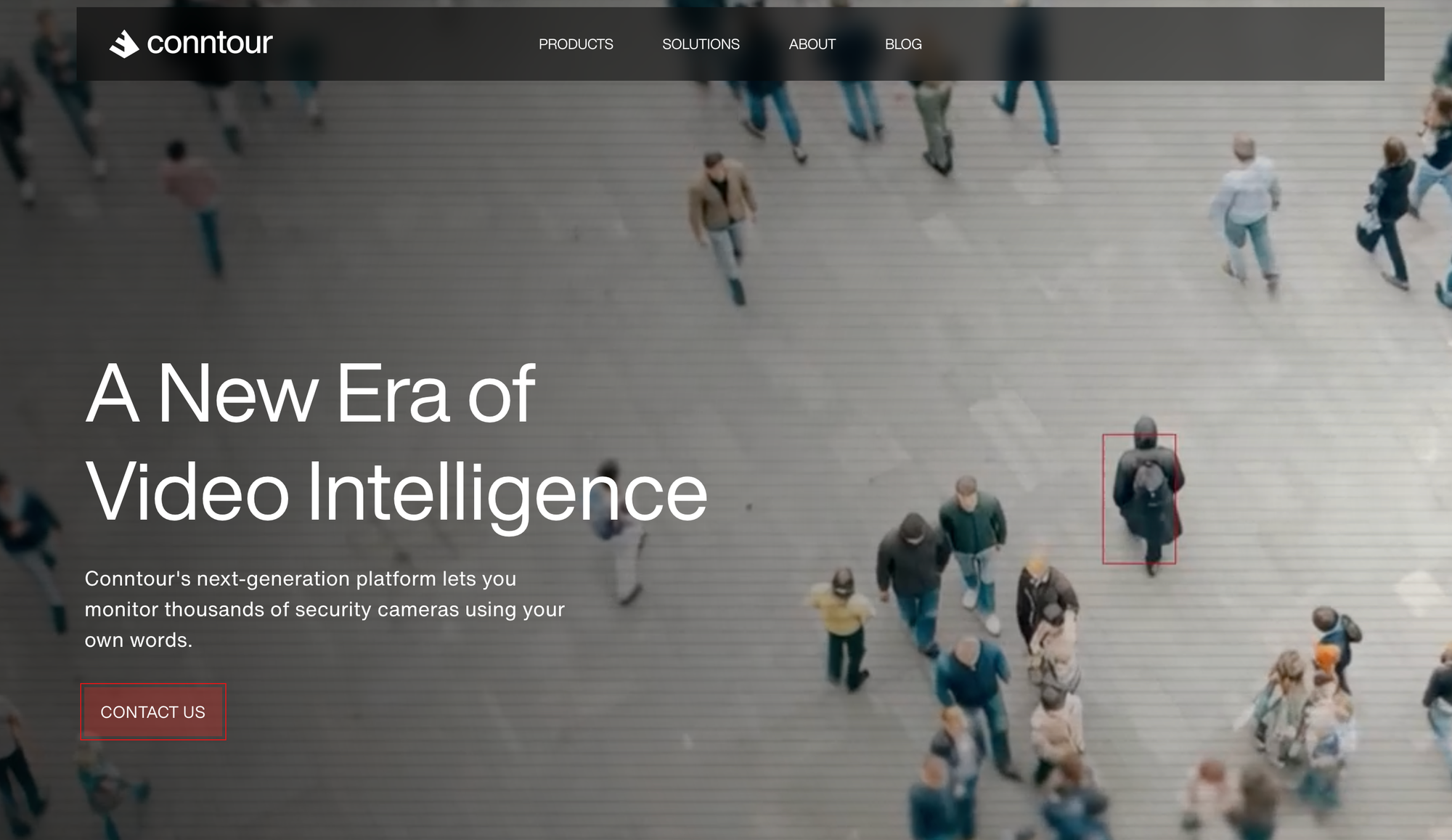
From a "Batman's gotta do what he's gotta do to stop the bad guy" perspective, this might seem like a great use of technology: why wouldn't we want the authorities to be able to quickly find the terrorist/enemy combatant/[insert some other type of bad guy here]? But then there are other questions: How would citizens actually know that this—and only this—is what their governments are using the technology for? What recourse would ordinary people have if a public servant was caught misusing such technology? What oversight mechanisms are in place to make sure that such power is not abused?
(2)
This feels like some sort of UNO reverse of propaganda. DrugFreeSG has launched a video competition for young people with the theme "Exposing and Preventing the Hidden Influences That Destroy Lives". According to The Straits Times's branded content piece, the idea is for young Singaporeans aged 12 to 25 "to create videos exploring the influences quietly normalising drug abuse among their peers".
I always feel like I'm in some sort of upside-down reality when I see articles or announcements like this, because the authorities looooove to position themselves as the honest, earnest ones fighting for the youth against a tide of propaganda about drugs. This is not to say that there aren't people out there who share misinformation and mislead, but the reality in Singapore is that the government's war on drugs narrative is not evidence-based and keeps Singaporeans misinformed about drug use, harm reduction, well-being, and what the research says. The government's narrative recasts those who agree with their narrative as the truth-seekers, while painting those who question and challenge their prohibitionist policies as shady influencers. They act as if they encourage investigative journalism, critical thinking, and the truth, when that's absolutely not what's happening and it is soooo frustrating.
(3)
If you "want to see, want to see, My God" the Jesus Christ Superstar musical at the Marina Bay Sands Theatre in August, take note of its rating. The Infocomm Media Development Authority has given it an Advisory 16 classification with the advice of "Some Mature Content", indicating that they think the show is only suitable for those 16 and above. It doesn't mean that those below the age of 16 will be blocked from going to the musical, though—the advisory is just a heads-up for parents. The concern is, unsurprisingly, due to religious sensitivities.
Personally, whenever I think of Jesus Christ Superstar, the first thing that comes to mind is this supercut of actors hitting the high note from Gethsemane (I Only Want To Say)—"WHYYYYYYYYYYYYYYYYYY"
(Sorry, Lin Manuel Miranda)

The Transformative Justice Collective is thrilled to bring 'We Keep Us Safe', a day of activities pulling focus towards the need to build strong communities from the grassroots, allowing us to rely on one another rather than hand power and control to an authoritarian regime.
Thank you for reading! As always, feel free to forward this weekly wrap to anyone you think might be interested, share the web link on social media, or spread the word about this newsletter!
Music for the weekend! I'm legit obsessed with this song: